Pages

Showing posts with label India. Show all posts

Saturday, January 23, 2016

சாதிய அமைப்பு குறித்து மௌலானா மௌதூதி(ரஹ்)


இந்தியாவின் இன்றைய சமூகக் கட்டமைப்பு எண்ணற்ற அடுக்குகளைக் கொண்டதாய்க் கட்டமைக்கப்பட்டிருக்கின்றது. இந்த சமூக அடுக்குகளும் எத்தகையதாய் அடுக்கப்பட்டிருக்கின்றனவெனில் இவற்றில் சில சமூகக் குழுக்கள் மேலோங்கி நிற்கின்றனர். வேறு சில சமூகக் குழுக்களோ அவர்களுக்கு அடங்கியவர்களாய் இருக்கின்றனர். இந்த சமூகப் பிரிவுகளுக்கு இடையில் பிறப்பின் அடிப்படையிலான ஏற்றத்தாழ்வு நிறுவனமயமாக்கப்பட்டிருக்கின்றது. பிறப்பின் அடிப்படையிலான ஏற்றத்தாழ்வு பற்றிய இந்தக் கருத்தோட்டம் மிக மிக ஆழமாக வேரூன்றியுள்ளது.

அதற்கும் மேலாக ‘மறுபிறப்பு’ பற்றிய தத்துவம் இந்த நம்பிக்கையை இன்னும் அதிகமாக வலுவூட்டியிருக்கின்றது. சமூகக் கட்டமைப்பில் கீழ் அடுக்குகளில் முடக்கப்பட்டவர்களிடம் ‘தாம் அடங்கியிருப்பதற்கே படைக்கப்பட்டவர்கள்; முற்பிறவியில் தாம் செய்த தீவினைகளின் தவிர்க்க முடியாத விளைவுதான் இது; எனவே இதனை எந்த நிலையிலும் சகித்துக்கொண்டே ஆக வேண்டும்; இந்த நிலையை மாற்றிவிட முயல்வது வீண்’ என்கிற அடிமை சிந்தனை ஆழமாகப் பதிக்கப்பட்டுள்ளது.

ஆதிக்க சமுதாயத்தரிடமோ, ‘தாம் பிறந்ததே இந்த அடிமைகள் மீது ஆதிக்கம் செலுத்துவதற்காகத்தாம். உயர்வும், சிறப்பும் தமக்கு மட்டுமே உரித்தானவை. முந்தைய பிறவியில் தாம் செய்த நற்கருமங்களின் காரணத்தினால்தான் தங்களுக்கு இந்தச் சிறப்பும் உயர்வும் கிடைத்திருக்கின்றன; இவற்றை மாற்றவோ, திருத்தவோ முற்படுவது இறைச்சட்டங்களுக்கு எதிரானது ஆகும்’ என்கிற நம்பிக்கை அழுத்தமாகப் பதியப்பட்டிருக்கின்றது.

இவ்வாறாக, இந்த சமூகக் கட்டமைப்பில் உயர் அடுக்கில் இருக்கின்ற ஒவ்வொரு சமூகத்தாரும் கீழ் அடுக்கில் இருக்கின்ற சமூகத்தாரின் தலைமீது கால் வைத்தவாறு நின்றுக்கொண்டும் அதனைத் தேய்த்து நசுக்கிக் கொண்டும் இருக்கின்றார்கள். பிறப்பின் அடிப்படையில் ஏற்றத்தாழ்வு பற்றிய இந்தச் சிந்தனையும் பாகுபாடுகளும் சமூகத்தின் அனைத்து பரிமாணங்களிலும் நீக்கமற நிறைந்துள்ளன. கால் வைக்கின்ற இடங்களில் எல்லாம் அநீதியும் அக்கிரமும் கணக்குவழக்கின்றிக் காணப்படுகின்றன. நாகரிகத்தின் ஒவ்வொரு இண்டு இடுக்குகளிலும்கூட ஏற்றத்தாழ்வு கடைப்பிடிக்கப்படுகின்றது. உணவு உண்ணும் போதும் சரி, நீர் அருந்தும்போதும் சரி, நடையுடை பாவனைகளிலும் சரி, திருமணம், மரணம் போன்ற சுகதுக்கத்துக்கான சந்தர்ப்பங்களிலும் சரி அன்றாட வாழ்வின் ஒவ்வொரு தருணங்களிலும் இந்தப் பாகுபாடுகள் நிறைந்திருக்கின்றன. அதற்கும் மேலாக இந்தப் பாகுபாட்டின் அடிப்படையில் பிறரை இழிவுபடுத்துகின்ற, கேவலமாகக் கருதுகின்ற போக்கும் நிலை பெற்று விட்டுள்ளது.

இந்த இழிவான போக்கு எந்த அளவுக்கு முற்றிப் போய் விட்டிருக்கின்றது எனில் தாம் உடுத்துவதைப் போன்ற ஆடைகளையும், தாம் அணிவதைப் போன்ற அணிகலன்களையும் தாழ்ந்த சமுதாயங்களைச் சேர்ந்தவர்கள் உடுத்துவதையோ, அணிவதையோ உயர் அடுக்கில் இருக்கின்ற சமுதாயத்தாரால் சகித்துக்கொள்ள முடிவதில்லை. சில நாள்களுக்கு முன்பு இராஜஸ்தானில் இதனைக் கண்கூடாகப் பார்த்தோம்.

அங்கு சம்மார் என்கிற கீழ்சாதியைச் சேர்ந்த மக்கள் போர் காரணமாக பணம் படைத்தவர்களாய் ஆகிவிட்டனர். அவர்களில் சிலர் வெளிநாடுகளுக்கும் சென்று பொருளீட்டி வந்துவிட்டிருந்தனர். இந்தச் செழிப்பான மக்கள் தங்களின் பெண்களுக்கு ஆடைகளையும் அணிகலன்களையும் அணிவித்து அழகு பார்த்தனர்.

இது ஜாட்களையும்(Jats) குஜ்ஜார்களையும்(Gujjars) உசுப்பிவிட்டது.

எங்களுடைய பெண்கள் அணிவதைப் போன்ற ஆடைகளையும் அணிகலன்களையும் இந்த சம்மார்கள் எப்படி தங்களின் பெண்களுக்கு அணிவிக்கலாம் என்று கொதித்தெழுந்து பெரும் ஆர்ப்பாட்டங்களைச் செய்துவிட்டார்கள்.

இத்தனைக்கும் இந்தக் குஜ்ஜார்களையும் ஜாட்களையும் இராஜ்புத்கள் என்கிற உயர் சாதியினர் இந்தக் காரணத்தைச் சொல்லியே கேவலப்படுத்தி வந்தார்கள் என்பது தனிக் கதை.

இராஜ்புத்களின் நடத்தை தருகின்ற கசப்பை அனுபவித்து வந்த நிலையிலும் இந்தக் குஜ்ஜார்களும் ஜாட்களும் சம்மார்களுடன் அதே போன்று நடந்துக்கொண்டார்கள். சமூகப் படிநிலைகளில் எங்களுக்கு இணையாக இந்தத் தாழ்த்தப்பட்ட மக்கள் எப்படி வந்து அமர்ந்து விடலாம் என இவர்கள் ஆத்திரப்பட்டார்கள்.

இவ்வாறாக, எந்த இழிநிலையிலிருந்து மேலே எழுந்துவிட அந்தத் தாழ்த்தப்பட்ட மக்கள் விரும்பினார்களோ அதே இழிநிலையில் மீண்டும் அவர்களைத் தள்ளிவிடவே இவர்கள் ஒன்றுசேர்ந்து ஓங்கிக் குரல் கொடுக்கத் தொடங்கிவிட்டார்கள்.

பொருளாதாரக் கட்டமைப்பும் பெரும் அளவில் மேற்படி சமூகக் கட்டமைப்பின் வரிசைமுறையில்தான் நிறுவப்பட்டிருக்கின்றது. இன்னும் சொல்லப்போனால் அந்தச் சமூகக் கட்டமைப்பின் கொடூரமான அம்சங்களைக் கூர்மைப்படுத்துவதும் விதத்தில்தாம் நவீன முதலாளித்துவத்தின் தனித்தன்மைகள் கூட்டுச் சேர்ந்துவிட்டுள்ளன.

தொன்மையான சித்தாந்தங்கள், மெய்யியல் பேசும் தத்துவங்கள் ஆகியவற்றின் துணையுடன் எந்தச் சமூகக் குழுக்கள் சமூகப் படிநிலைகளின் மேல் அடுக்குகளில் நிலையாகக் குடியமர்ந்து விட்டிருந்தனவோ அவர்கள் நாட்டின் நாகரிக வாழ்வில் உயர்ந்த சிறப்பிடங்களையும் மேன்மையையும் தமதாக்கியவாறு தம்முடைய ஆதிக்கத்தை நிலைநாட்டிக் கொண்டதோடு நின்றுவிடவில்லை. அதற்கும் மேலாக, அதனுடன் நாட்டின் செல்வ வளங்கள், வசதி வாய்ப்புகள் ஆகியவற்றையும் ஆக்கிரமித்துக் கொண்டு அவற்றைத் தமதாக்கிக் கொண்டார்கள்; சமூகப் படிநிலைகளின் கீழ் அடுக்குகளில் இருப்பவர்களையோ மேல் அடுக்குகளில் இருக்கின்ற மக்களுக்குத் தொண்டூழியம் செய்தும் கூலி வேலை செய்தும் பிழைப்பதைத் தவிர வேறு வழி இல்லை என்கிற கேவலமான நிலைமையில் தள்ளிவிட்டார்கள்.

இந்தப் பொருளாதாரக் கட்டமைப்பில் ஏதிலிகள், பாட்டாளிகள் போன்றோர் மீது இழைக்கப்படுகின்ற அநியாயங்கள், அக்கிரமங்கள், உரிமைப் பறிப்புகள் போன்றவற்றைக் கணக்கிடுவதும் சிரமமானதே. அது மட்டுமல்ல மேல் அடுக்குகளில் வாழ்கின்ற மக்கள் தம்முடைய வட்டத்திற்குள்ளும் பல்வேறு விதமான அக்கிரங்களிலும் உரிமைப்பறிப்புகளிலும் கொடுமைகளிலும் ஈடுபட்டார்கள். இதன் காரணமாக செல்வச்செழிப்புமிக்கவர்களின் எண்ணிக்கை சுருங்கிக்கொண்டே போக, செல்வவளம் இல்லாமல் மோசமான நிலையில் வாழ்வை ஓட்டுகின்ற எளியவர்களின் எண்ணிக்கை பெருகிக்கொண்டே போயிற்று.

இன்னும் சொல்லப்போனால் இவர்களிடம் நடைமுறையில் இருந்த வட்டிப் பணத்தை உண்ணுகின்ற பழக்கமும், குடும்பச் சொத்துகளைக் கூட்டாக நிர்வகிக்கின்ற கூட்டுக் குடும்ப வழிமுறையும் (Joint Family System) மூத்த மகனயே ஒட்டுமொத்த சொத்துக்கும் ஒரே வாரிசாக அறிவிக்கின்ற தலைப்பிள்ளைக்கான வாரிசு சட்டமும்(Law of Primogeniture) இன்னும் இவை போன்ற எண்ணற்ற பழக்கவழக்கங்களும் செல்வத்தையும் செல்வத்தை உண்டுபண்ணுகின்ற வழிவகைகளையும் ஒரு சிலரிடம் குவித்துவிடுபவையாயும், பெரும்பாலான மக்களுக்கு எத்தகைய வழிவகையையும் அளிக்காமல் தடுத்து மற்றவர்களைச் சார்ந்து வாழ வேண்டிய நிலைமைக்கு அவர்களைத் தள்ளிவிடுபவையாயும் இருக்கின்றன. இந்த நடைமுறைகளின் பயனாக எந்த மக்களிடம் செல்வவளம் குவிந்திருந்ததோ அவர்கள் இப்போது நவீன முதலாளித்துவ வழிமுறைகளை மேற்கொண்டு நாட்டின் தொழில், வணிகம், பொருளாதாரம் ஆகிய அனைத்தின் மீதும் தம்முடைய ஆதிக்கத்தை நிலைநிறுத்திக்கொண்டார்கள்; அந்த ஆதிக்கத்தைத் தக்க வைத்துக்கொண்டுள்ளார்கள்.

இப்போது கட்டமைக்கப்படுகின்ற அரசியல் அமைப்பின் அடிப்படையான ஆவணத்தில் மக்களாட்சி, சமூக நீதி(Social Justice), சமத்துவம், எல்லாத் தரப்பினருக்கும் சமமான வாய்ப்புகள்  (Equal Opportunities) போன்ற வானளாவியக் கருத்தோட்டங்கள் இம்மியளவுகூட அழுக்கு படியாத, மாசற்ற, மனத்தை மயக்குகின்ற சொற்களில் ஏட்டளவில் எழுதப்பட்டு வருகின்றன. இதில் இரு வேறு கருத்துகளுக்கு இடமில்லை.

ஆனால் இந்தக் கருத்தோட்டங்கள் அன்றாட வாழ்வில் நடைமுறைப்படுத்தப்படும்போதுதான் இவற்றுக்கு மதிப்பே தவிர, இந்த வெற்று வார்த்தைகளுக்கு எந்த மதிப்பும் இல்லை என்பது வெளிப்படை.

நடைமுறை வாழ்வில் நாம் அன்றாடம் பார்ப்பது என்ன?

இந்த அரசியல் அமைப்பை உருவாக்குதல், வடிவமைத்தல், கட்டமைத்தல், நடைமுறைப்படுத்தல் ஆகிய அனைத்துப் பணிகளிலும் ஆதிக்கம் செலுத்திக் கொண்டிருப்பது யார்?

இன்றைய சமூக, பொருளாதாரக் கட்டமைப்பில் உயர்வான படிக்கட்டுகளில் வீற்றிருக்கின்ற - இல்லை பிறந்திருக்கின்ற சமூகக் குழுவினர்தாம் எல்லாவற்றிலும் ஆதிக்கம் செலுத்திக் கொண்டிருக்கின்றார்கள். இறைவன் இந்த சமூகக் குழுவினருக்கு அனைத்தையும் கொடுத்திருக்கின்றான். ஆனால் பெரிய மனத்தையும், விரிந்த பார்வையையும், அனைவரையும் அரவணைத்துச் செல்கின்ற தீரத்தையும் ஏனோ இவர்களுக்குத் தரவே இல்லை. இவர்களின் குறுகிய மனப்பான்மை இன்று வரையிலும் இந்தியாவுக்கு மிகப் பெரும் இழப்புகளையே தந்து வந்துள்ளது. இவர்களின் இந்த வரலாற்றைக் கணக்கில் எடுத்துக்கொண்டு பார்க்கின்ற போது இவர்கள் தங்களின் அரசியல் அதிகாரத்தை நீதியையும் நியாயத்தையும் நிலைநாட்டுவதற்காகப் பயன்படுத்துவார்கள் என எந்த வகையிலும் எதிர்பார்க்க முடியாது.

ஆக, கசப்பு உணர்வும் கொடுமைக்காளான வலிகளும் நிறைந்ததாய்த்தான் இன்றைய இந்த நிலைமைகள் இருக்கின்றன. இந்த வலியையும் துன்பத்தையும் நாட்டின் சாமான்ய மனிதர்கள் மிகக் கடுமையாக உணர்ந்துக்கொண்டுதான் இருக்கின்றார்கள். இது வரை இனவாத போதை இந்தக் கசப்புணர்வை பெரும் அளவில் கட்டுப்படுத்தி வைத்திருந்தது. நாட்டின் நிர்வாகம் நம்முடைய கைகளில் வந்துவிடுமேயானால் இந்த அநீதிகள் அனைத்துக்கும் முற்றுப்புள்ளி வைத்துவிடலாம் என்கிற நம்பிக்கையில்தான் மக்கள் வாழ்ந்துக் கொண்டிருந்தார்கள்.

இந்த நிலையில் நாட்டின் ஆட்சியதிகாரம் உண்மையிலேயே நாட்டு மக்கள் வசம் மாற்றப்படுகின்ற போது அந்த அதிகாரங்களைக் கொண்டு நாட்டில் சமூக நீதி உண்மையிலேயே நிலைநிறுத்துகின்ற பணியை மேற்கொள்வது எப்படி என்கிற அடிப்படைக் கேள்வி பேருருவம் எடுப்பதை நீண்டக்காலத்திற்குத் தள்ளிப் போட முடியாது.

இந்தியாவின் எதிர்காலத்தைத் தீர்மானிக்கின்ற கடிவாளங்கள் இன்று எந்த மக்களிடம் கைமாறிக்கொண்டிருக்கின்றனவோ அவர்கள் இந்துக் கலாச்சாரத்தின் முந்தையப் பாரம்பர்யங்களை மேற்கத்திய, அய்ரோப்பிய, அமெரிக்க வாழ்க்கை முறையுடன் கோத்துவிடுகின்ற முயற்சிகளில் ஈடுபட்டிருப்பதைக் கண்கூடாகப் பார்க்க முடிகின்றது. என்னுடைய கணிப்பு சரியாக இருக்குமேயானால் இவர்கள் ஒரு வகையான போலி மக்களாட்சியையும், ஒரு மேம்போக்கான சமத்துவத்தையும், நீதியை நிலைநாட்டுவது போன்ற மாயத் தோற்றத்தையும் நிலைநிறுத்துவதில் திண்ணமாக வெற்றி பெற்றுவிடுவார்கள்.

ஆனால் அந்தப் போலியான தோற்றங்களுக்குப் பின்னால் வழக்கம்போல அதே அநீதிகளும், அதே வஞ்சகங்களும், அதே பாகுபாடுகளும், அதே பிரிவுகளும் இன்று இருக்கின்ற அதே சூட்டுடனும் தகிப்புடனும் நிலைத்து நிற்கும்.

ஏனெனில் பிறப்பின் அடிப்படையில் பிரித்துப் பார்க்கின்ற போக்கும், சமூகப் பாகுபாடுகளும் இந்துக் கலாச்சாரத்தின் இரத்த நாளங்களில் ஊறிப் போய்க் கிடக்கின்றவை ஆகும். அவை இரத்தத்தில் கலந்திருக்கின்ற நிலையில் உண்மையான மக்களாட்சியை நிலைநிறுத்துவது இயலாத காரியம் ஆகும். அதனுடன் மேற்கத்திய சித்தாந்தங்களைக் கோத்துவிடுவதால் மிதமிஞ்சி என்ன கிடைத்துவிடப் போகின்றது? மேல்தட்டு மக்களின் ஆதிக்கத்துக்கும் முதலாளித்துவ சுரண்டலுக்கும் தேர்தல்கள் மூலமாகவும் அவற்றில் பெறப்படுகின்ற வாக்குகள் மூலமாகவும் சட்டரீதியான அங்கீகாரமும் அதிகாரப்பூர்வமான அனுமதியும்தாம் கிடைத்துவிடும் என்பதைத் தவிர வேறு எந்தப் பயனும் கிடைத்துவிடப் போவதில்லை.

இதனால்தான் இவர்களின் இந்தச் செயல்பாடுகளின் விளைவாக இந்தியாவின் சாமான்ய மக்கள் சொற்பக் காலத்திலேயே நிராசைக்கும் விரக்திக்கும் ஆளாகிவிடுவார்கள் என்பது உறுதி. இந்த ஆளும் வர்க்கத்தினரால் நீதியை நிலைநாட்ட முடியாமல் போகும்போது விவசாயிகள், பாட்டாளிகள், தொழிலாளர்கள், மேல்தட்டு மக்களிலேயே வறிய நிலைக்குத் தள்ளப்பட்டவர்கள் என ஒட்டுமொத்த இந்திய சாமான்ய மக்கள் அனைவரும் ஏதேனும் ஓர் நீதமிக்க மாற்று அமைப்புக்காக ஏங்கத் தொடங்கிவிடுவார்கள்; அதற்கான தேடலில் இறங்கிவிடுவார்கள். அந்த நிலை வருவதற்கு நீண்ட நேரமும் பிடிக்காது.

- 26, ஏப்ரல், 1947 சனிக்கிழமையன்று சென்னையில் நடைபெற்ற ஜமாஅத்தே இஸ்லாமியின் தென்னிந்திய மாநாட்டில் அமீரே ஜமாஅத் மௌலானா சையத் அபுல் அஃலா மௌதூதி(ரஹ்) அவர்கள் ஆற்றிய வரலாற்றுச் சிறப்புமிக்க பேருரையிலிருந்து...

Thursday, January 21, 2016

கவலைப்படாதே, ரோஹித், என் சகோதரனே!


அன்புள்ள ரோஹித்..!

அந்த இருள் சூழ்ந்த இரவில் நீ உன்னுடைய உயிரை மாய்த்துக் கொண்டு உன்னுடைய வார்த்தைகளில் சொல்ல வேண்டுமெனில் ‘உயிரைக் குடிக்கின்ற விபத்தைப்’ (a fatal accident) போன்ற உன்னுடைய வாழ்வை முடித்துக்கொண்ட போது மனுவும் அவனுடைய அடிபொடிகளும் அரை டிரவுஸர்களும் கெக்கலித்துக் கைகொட்டி மகிழ்ந்திருப்பார்கள்.
ஆனாலும், என் சகோதரனே கவலைப்படாதே!

Azeez Luthfullah அஜீஸ் லுத்ஃபுல்லாஹ் என்கிற இந்திய முஸ்லிமாகிய நான் உறுதியளிக்கின்றேன்.

பிறப்பின் அடிப்படையில் மக்களைக் கூறு போட்டு கேவலப்படுத்துகின்ற கொடுமை இனி இந்த மண்ணில் அரங்கேறாது..!

அறிவுக்குச் சற்றும் பொருந்தாத, காட்டுமிராண்டித்தனமான அந்த நம்பிக்கைகளுக்கும் நடைமுறைகளுக்கும் இனி இந்த மண்ணில் இடம் இருக்காது!

கவலைப்படாதே, ரோஹித், என் சகோதரனே! நான் மட்டுமல்ல, இந்த தேசமே எழுந்து நின்று குமுறிக் கேட்கும். ஏன்?
 
சாதியின் அடிப்படையில் இந்திய இளைஞன் ஏன் ஒதுக்கப்பட வேண்டும்? ஏன்? ஏன்?

கவலைப்படாதே, ரோஹித், என் சகோதரனே! நான் மட்டுமல்ல, இந்த தேசமே எழுந்து நின்று உரத்துக் கேட்கும். எது?
 
இரத்தமும் சதையுமாக ஒரே மாதிரியாகப் பிறக்கின்ற மனிதர்களை உயர்சாதி என்றும் கீழ்சாதி என்றும் வெவ்வேறு அடுக்குகளில் அமர்த்தி பக்கச்சார்புடன் நடப்பதற்கு அங்கீகாரம் அளிக்கின்ற மதம் எது? மனிதர்களைப் பிரிக்கின்ற அந்தக் கலாச்சாரம் எது? மனிதர்களை இழிவாகப் பார்க்கின்ற அந்த சித்தாந்தம் எது?

கவலைப்படாதே, ரோஹித், என் சகோதரனே! நான் மட்டுமல்ல, இந்த தேசமே எழுந்து நின்று ஆர்ப்பரித்துக் கேட்கும். எங்கே?
 
இந்தியர்களாகப் பிறந்த ஒவ்வொரு குடிமகனுக்கும் சம உரிமையும் சமமான வாய்ப்பும் தரப்படும் என்கிற அரசியல் அமைப்புச் சட்டத்தின் உத்தரவாதம் எங்கே? எங்கே?

கவலைப்படாதே, ரோஹித், என் சகோதரனே! நான் மட்டுமல்ல, இந்த தேசமே எழுந்து நின்று கதறிக் கேட்கும். எப்படி?
 
நாட்டு மக்கள் அனைவரையும் ஒரே மாதிரியாக நடத்த வேண்டிய ஜனநாயகத் தூண்களே சாதி, மதம், மொழி ஆகியவற்றின் அடிப்படையில் பக்கச்சார்புடன் நடந்துக் கொள்ளத் தொடங்கியது எப்படி? எப்படி?

கவலைப்படாதே, ரோஹித், என் சகோதரனே! நான் மட்டுமல்ல, இந்த தேசமே எழுந்து நின்று நிமிர்ந்துக் கேட்கும். யார்?
 
பிறப்பின் அடிப்படையில் மனிதர்களைக் கூறு போட்டு உயர்ந்த சாதி என்றும் தாழ்ந்த சாதி என்றும் வகைப்படுத்துகின்ற கொடுமைக்கு முற்றுப்புள்ளி வைப்பது யார்? கீழ்வெண்மணியிலிருந்து ஹைதராபாத் வரை தொடர்கின்ற இந்த அவலங்களைத் தடுத்து நிறுத்துவது யார்? யார்?

கவலைப்படாதே, ரோஹித், என் சகோதரனே! நான் மட்டுமல்ல, இந்த தேசமே எழுந்து நின்று ஆசையுடன் கேட்கும். எப்போது?
 
அன்பு, இணக்கம், சமத்துவம், சகோதரத்துவம், சுதந்திரம், சமூக நீதி, பாரபட்சமற்ற நீதி ஆகியவற்றின் அடிப்படையில் தேசத்தைக் கட்டியெழுப்புகின்ற கனவை நனவாக்குவது எப்போது? எப்போது?

கவலைப்படாதே, ரோஹித், என் சகோதரனே! இந்தத் தேசம் மனுவுக்கும் அவனுடைய அடிபொடிகளுக்கும் சொந்தமானது அல்ல.

நம்முடைய தேசச் சிற்பிகள் அப்படி சொன்னதே இல்லை. நம்முடைய தேசத் தந்தை அதனை எந்த நாளிலும் ஏற்றுக்கொண்டதே இல்லை.

இந்தத் தேசம் நம்முடையது. - உன்னுடையது. என்னுடையது. இந்த நாட்டில் பிறந்த ஒவ்வொரு இந்துவுக்கும் முஸ்லிமுக்கும் கிறித்துவருக்கும் தலித்துக்கும் சீக்கியருக்கும் ஜெயினுக்கும், மார்வாடிக்கும் நாத்திகருக்கும் இந்த மண்ணில் பிறந்த ஒவ்வொரு மனிதனுக்கும் உரியது.

இந்துக்கள் என்றும் முஸ்லிம்கள் என்றும் பிளவுபடுத்துகின்ற ஈனர்களுக்கு இந்த நாட்டில் இடம் இல்லை.

தலித்கள் என்றும் பிராமணர்கள் என்றும் இந்த சாதி என்றும் அந்த சாதி என்றும் கூறு போட்டு பார்க்கின்ற அற்பர்களுக்கு இந்த நாட்டில் இடம் இல்லை.

இது எங்களுடைய தேசம். 

இதனை தீயவர்களிடம் பறிகொடுக்க மாட்டோம்.

டி. அஜீஸ் லுத்ஃபுல்லாஹ்

Tuesday, December 13, 2011

Hukumat-e-Ilahyia se Welfare Party of India Tak


What is the reason behind the decision to launch Welfare Party of India? Has Jamaat-e-Islami Hind compromised its treasured principles? Has the Jamaat discarded its nasb-ul-ain? What about the age old cherished dream of forming the Hukumat-e-Ilahiya (Kingdom of God)? Could this be described as a turnaround by the Jamaat? Ameenul Hasan answers all the questions convincingly and patiently. You could see a different Ameen here. The vibrancy is missing. He speaks smoothly and with conviction. After watching this enlightening lecture all the doubts regarding the Welfare Party move fade away. A must watch for those who have not yet digested the major move by the oldest Islamic Movement in India.
Crossposted in Luthfispace.


Thursday, August 18, 2011

Top Ten Reasons Anna Hazare shouldn't have waged a war on corruption


Top Ten Reasons Anna Hazare shouldn't have waged a war on corruption
10. Corruption is omnipresent in India.
9. Without giving bribe nothing happens in India. You cannot get your birth certificate or death certificate without giving bribe. You cannot get cremated without giving bakshish..
8. Indira Gandhi has famously said once that corruption is international phenonmenon.
7. Corruption is ingrained in the blood of Indian.
6. Indians would prefer to bribe the TT and get themselves a berth or seat rather than altering the travel plan.
5. Corrupt practices are part and parcel of the Indian mythologies. Remember When Karna took his powerful weapon, Nagastra and shot it at Arjuna. Krishna saved Arjuna from certain death by his divine powers; by subtly lowering Arjuna’s chariot into the earth, through a gentle pressure of his feet.
4. Hypocricy is ingrained in the blood of Indian. India is the only country where everything from river to wealth and knowledge are worshipped as female gods. India is also the only country to have massacred crores of girl childs in a decade 
3. Corruption cannot be eradicated by framing stringent laws alone. In India there is a law that those who indulge in spurious drugs should be hanged to death. Not a single soul has been hanged till today. The spurious drug industry is thriving with 5000 crore turnover annually. Besides nobody could deny the threat of it being misused. Janlokpal Bill would become another POTA or TADA
2. Indians would find ways and means to buy Lokpal or Janlokpal whatever.
1. There are more pressing issues facing the nation: Suicides of farmers, scarcity of drinking water, rising unemployment, threat of Hindu Fascism, collapse of family system, onslaught of western culture etc.
 Wake up Anna Hazares! It is better late than never.
Crossposted in Luthfispace.

Tuesday, February 15, 2011

Lessons from Egypt and Jamaat-e-Islami Hind


Lessons from Egypt for the Jamaat-e-Islami Hind people.
This is in response to a request from my friend and guide to shed light on the lessons from Egypt.

What lessons could we learn from the mass uprising in Egypt? India is not Egypt. And we do not have any Hosni Mubaraks here. We may have our share of bigots like Narendra Modis and L K Advanis. But still we do not have Hosni Mubaraks here, by the grace of Allah.

As I reflected on the demonstrations in Egypt and news of the events that followed, it occured to me that there were FOUR vital lessons for the Islamists here in India that need to be highlighted.

Lesson No. 1: 
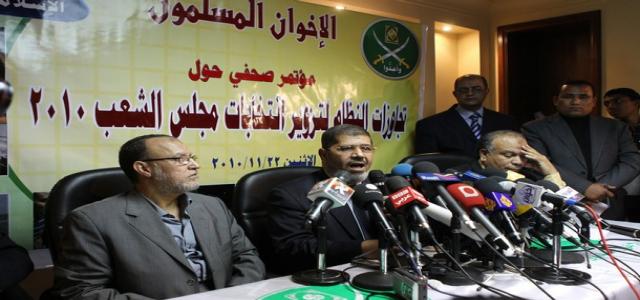
The agents of change are always the youth. If we want to bring change in the society, we have to capture the minds of the youth and mould them in the Islamic way. The Egypt revolution may have been scripted and drafted by the seniors, but it was executed by the youth. Youth were in the forefront and they took the plunge when it mattered most. Without the active involvement of the youth the brutal regime could not have been toppled so smoothly. It is amazing that the Ikhwans were able to nurture, train and groom such a large number of youth under the very nose of the tyrant Pharoah.

We have to do something to groom our own youth. At present we have SIO which has succeeded in mobilising students for the Islamic cause. There is a big gap as far as the Indian youth are concerned. There is no activism. There is no guidance. There is no mobilisation. Youth power is being wasted. There is an urgent need for proper planning in this regard. India has the largest concentration of youth. But the percentage of youth in the Islamic movement is not healthy and the figures presented by the General Secretary of the Jamaat in the recently held All India Members conference is alarming. The number of members of the Jamaat who have not seen thirty summers is very very meagre. Those with grey and white beards outnumbered those with shiny black beards in that Ijtema-e-Arkan. That does not augur well for a movement which strives to bring total change in the society. The success story of Solidarity Youth Movement in Kerala has to be repeated in all over the nation. And that is the need of the hour.

Lesson No 2: 
Patience and perseverance pays. Be patient. Never lose hope. Patience pays and it pays handsomely. Look at the Ikhwans. For 52 long years - more than two generations - they had been patient. They were suppressed and oppressed by the most brutal regime of the day. They bore all kinds of oppression. They were banned and persecuted for more than a half century. But still, they never lose hope. They never threw away their core idealogy. They never succumbed to the pulls and pressures of the brutal regime and its wily sponsor. They were steadfast in their belief and action.


Those who call for drastic changes in our core idealogy should stand and ponder over this phenonmenal perseverence displayed by the Ikhwanis. Let us not be impatient and make hasty decisions which may harm our larger goal.

Lesson No 3:
The Ikhwanis never called it Islamic revolution. They co-opted with others. They worked with other sections of the society. They even shared the struggle with the coptic Christians. Cross and Quran alongwith the Egyptian flag were raised in Tahrir Square. They warmly embraced with others for a common cause. Slavej Zizek has described it as the most sublime moment. I would say it as the most defining moment in the 21st century. In a multi-cultural and multi-racial world that is the most pragmatic approach.

We in India too should such an inclusive approach. We have to identify common goods and goals and join hands with the likeminded noble souls in attaining them. We have to learn from the pact which is known as "Hilful Fuzul" was arranged in the house of Abdullah ibn Jad'in in Makkah by certain important personalities of the time. Later during the period of his Prophethood, the Holy Prophet often mentioned this pact and said that he was still willing to participate in a similar pact and not to violate its provisions. We have vast number of right thinking and noble hearted activists here in India. They are not corrupt. They are not communal. We have to join hands with them and find ways and means to struggle with them towards attaining common good.


Lesson No 4:
Embrace the issues of the people and people would always sit in your lap. The Ikhwanis embraced the issues of the people. They joined hands with them when it mattered the most. They identified the simmering discontent against the regime and used it. They got availed of the opportunity and positioned themselves. They have always been in the forefront in tackling the basic issues of the lay man.


We have to strive for common goals instead of Muslim specific issues. The experience gained through Forum for Democracy and Communal Amity (FDCA) would be useful in this regard. It has to be noted that whenever we took common issues the nation responded passionately and positively. The Human Rights Campaign launched in 2003 and the Caravan for Peace and Justice in this meeqath are shiny examples for this. Similarly the more positive response we got when we took up the cause of anti-liquor campaign in Tamil Nadu could be cited as an example for this trend.

Still there are vast number of issues affecting the aam aadmi here. We have to take them up.

Crossposted in Luthfispace.

Tuesday, April 14, 2009

Interview : Dr M. Rafat on "Islamic Movement in India in Modern Times"

Dr Muhammad Rafat

Recently Dr. Muhammad Rafat, Ameer-e-Halqa of Jamaat-e-Islami Hind JIH Delhi has given an interview to Janab Parvaz Rahmani, Editor Dawat. Dr.Rafat is from Uttar Pradesh and has been attached with the JIH for the past three, four decades. He is also a member of Markazi Majlis-e-Shoora and Markazi Majlis-e-Numaindgan of JIH. He has doctorate in Physics and teaches to engineering students in Jamia Millia Islamiya Delhi. He is very articulate and soft spoken man.

In his aforesaid interview he has shed light on the present scenario of the Islamic Movement in India. The interview is simply superb. It is very crispy, enlightening and thought provoking. I could not resist the temptation to translate in Tamil and share it with my Tamil knowing friends.
I have met him a couple of times. He is very humble, polite and as they say in Tamil he would never அதிர்ந்து பேச மாட்டார்.
He is a very knowledgeble person and well read man. Earlier I had translated one of his beautiful essay on 1857 and the status of Muslims then.
Herewith I have attached the gif images of the same.
Kindly share it with other brothers. Please write me your views and impressions if time permits.
Related Posts Plugin for WordPress, Blogger...